Dog and baby introductions might not seem like a big deal that requires much planning, but I would like to convince you otherwise in this blog post.
Most parents assume their dog won’t be stressed, scared, or bothered by the baby’s arrival, so they don’t put much thought into how that first introduction will go.
And honestly, as a mom myself, I get it. Pregnancy is overwhelming. You already have a long list of things to do, buy, and plan for. Figuring out how to introduce your dog to your newborn usually isn’t high on that list. But as a dog behavior consultant and family paws educator who works with dogs and babies, I can tell you, it should be.
I often meet families after they’ve already brought their baby home, when their dog has reacted in a way that feels scary, confusing, or completely out of character.
If you’re getting ready to introduce your dog to your baby, here are the most common mistakes I see, and what I recommend doing instead instead.
Mistake #1: Assuming Your Dog Will Greet The Baby Like They Greet Other Guests At Home
Many of my clients have dogs who are very social with adults, and maybe are even used to being around kids. So they’re shocked when their dog reacts differently to their newborn baby. Here is the reality: dogs do not recognize infants as “regular people.”
Babies look, smell, sound, and move completely differently. They cry loudly, they make very weird movements with their bodies, they smell funny, and we carry them around like a little object. For many dogs, this can be stressful and weird. Even very friendly dogs can become anxious, excited, scared, or stressed by the new and strange things that come with a newborn.
I always recommend going under the assumption that your dog may feel unsure or stressed by the baby at first. This mindset leads to safer and more intentional introductions and setups at home.
Mistake #2: Allowing Up-Close Dog and Baby Greetings Right Away (Especially at the Front Door)
One of the most common mistakes when introducing your dog to a baby is letting your dog rush up to the car seat or carrier as soon as you walk in to greet the baby. It feels natural. People want their dog to be best friends with the baby from the first moment. They want all of the members of their new family unit to be happy together.
But this is not the way I recommend doing introductions. I have seen many injuries to infants in these situations, whether it be a scratch from an excited jumping paw, or a snap because a dog is startled by the baby and in a tight space when meeting them all of a sudden. Your dog is already excited that you’re home. Adding a brand new baby into that moment can quickly push them over threshold in many ways.
Instead, I always recommend having parents greet their dogs without the baby first. Your dog will likely be extra excited to say hi to you if you have been gone for a few days. Let them get their excitement out and get all the attention they want from you without the baby involved in the moment.
After that, I recommend gradual introductions, always at a distance first (gates, leashes, and playpens are perfect here), and with the baby being held up high (such as at a chest level), never on the floor at the dog’s level. The timeline, level of safety needed, and other details of these initial introductions can vary greatly depending on your individual situation with your dog.
Mistake #3: Allowing Your Dog Around Your Baby Unsupervised
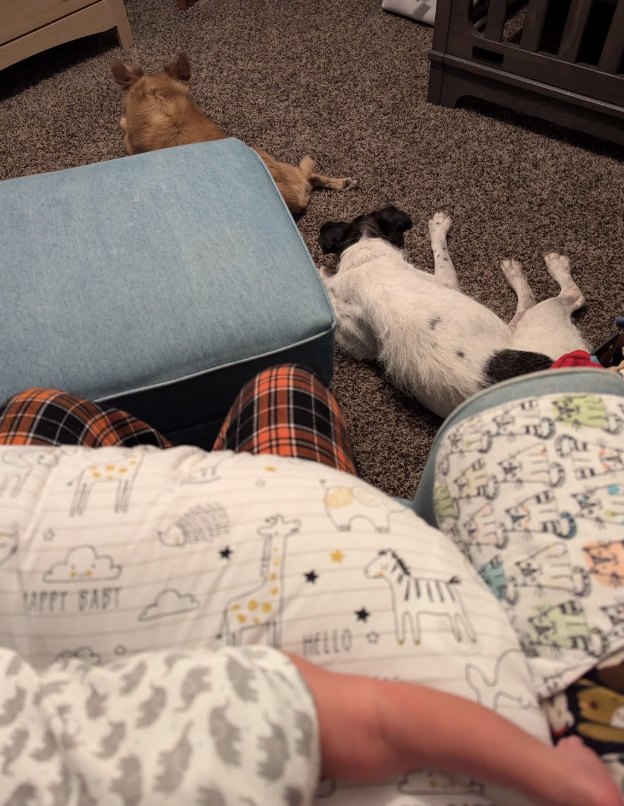
No matter how friendly and relaxed your dog seems, they should not have unsupervised access to your new baby. This includes during sleep. I do not recommend allowing dogs to sleep loose in a room with a baby in a bassinet. This is where gates, crates, or closed doors come into play again.
You might think this seems like overkill. But safety should always be the top priority when it comes to introducing your dog to your baby. Here’s the thing: babies make weird noises and movements while they sleep. Dogs are animals. They sometimes get startled while they sleep. Most bite incidents I see between dogs and non-mobile babies occur during moments when a parent steps away briefly and leaves the dog alone with the baby. And when you are asleep, you may as well be in a different room. You cannot supervise or react more quickly than your dog can if you are asleep.
Mistake #4: Forcing Your Dog to Interact with the Baby
A lot of parents feel like they should encourage their dog to get close to the baby. They’ll move the baby toward the dog to let them sniff, or repeatedly call the dog over to interact. I understand why people do this. They want the dog and baby to get used to each other. But in reality, that’s just not the best way to go about it.
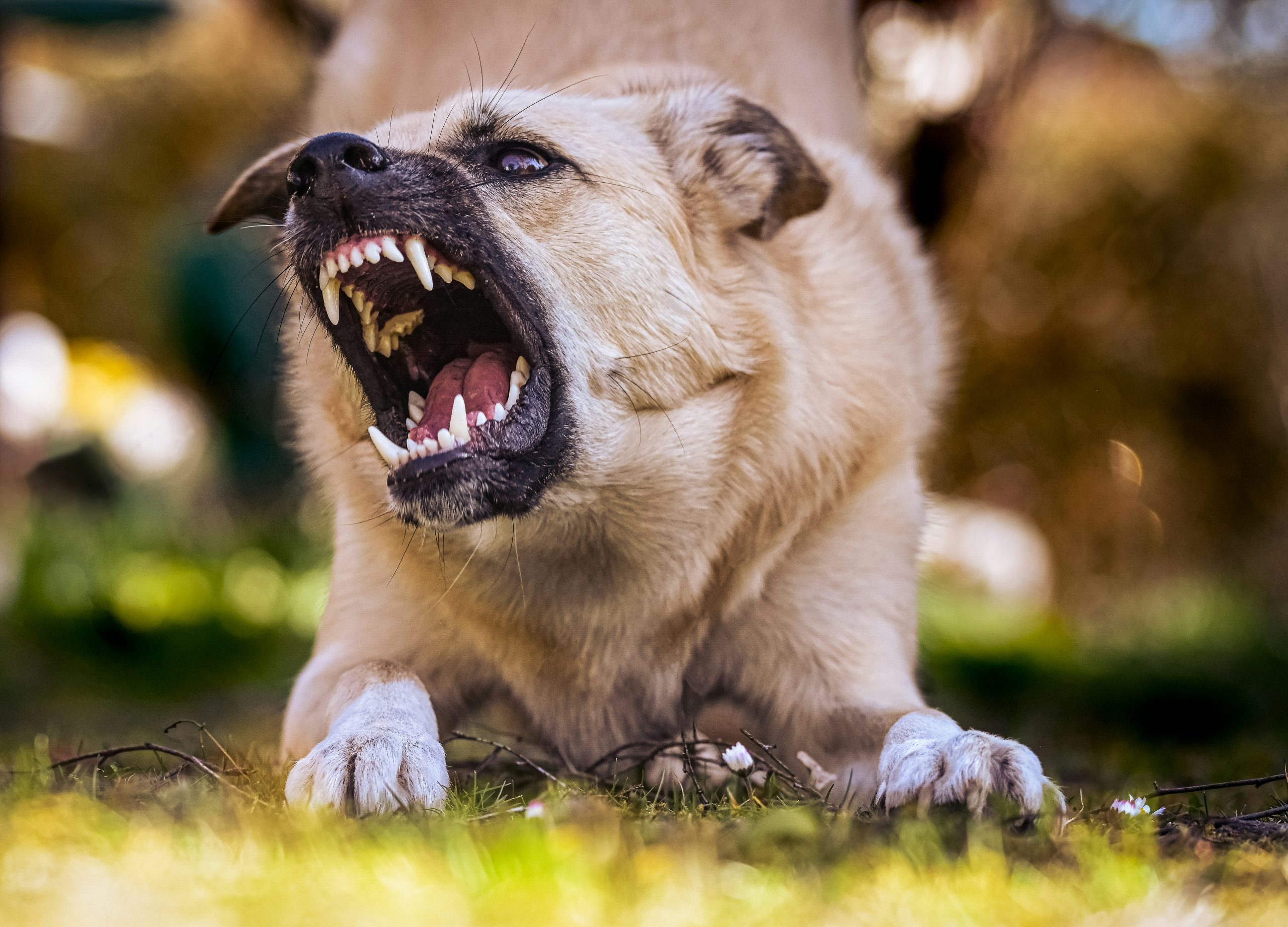
If your dog is unsure, this actually creates pressure and added stress, not comfort. If dogs are uncomfortable, many of them will move away from the baby and keep their distance, but if they feel trapped or like they have a choice to move away, that’s when you start to see more forward behavior such as growling, lunging or snapping.
Instead, let your dog control the distance if they are staying away. If they want to observe from across the room, that’s fine. If they choose to disengage and walk away to a different room, that’s also fine. Your goal isn’t to make your dog love the baby right away. Your goal is to help your dog feel safe enough that they don’t have big feelings about their presence.
What to Do Instead During Dog And Baby Introductions
A successful introduction isn’t about creating a perfect meet-cute moment. It’s about setting things up so that everyone stays safe and comfortable. This means creating space, reducing stress, and letting your dog adjust gradually over time. In a lot of cases, the safest and most appropriate outcome in the beginning is that your dog is able to coexist with the baby, with whatever level of safety measures and distance needed between them, with direct supervision at all times.
Dog & Baby Support in Indianapolis (+ Online)
If you’re preparing for your baby’s arrival, it’s worth having a plan in place before that first interaction ever happens. And if your baby is already here and things feel a little off, like your dog seems more on edge, more avoidant, or harder to settle, you’re not imagining it. This is exactly the stage where small adjustments can make a big difference.
I work with expecting and new parents to help them prepare their dogs, set up their homes, and navigate those early interactions in a way that actually feels manageable in real life.
This includes everything from introductions, to daily routines, to what to do when your dog is clearly struggling but you’re not sure why.
I offer in-home sessions locally in Indianapolis and surrounding counties and online support for families who aren’t nearby.
Want Help Before Something Escalates?
Most of the families I work with don’t reach out until something has already happened, such as a growl, a snap, or a moment that didn’t feel right. You don’t have to wait for that. If you’re pregnant, awaiting an adoption, or you’ve recently brought your baby home and you’re feeling unsure about a plan for your dog, this is the time to get support.
My sessions focus on realistic setups, helping you understand what your dog is actually communicating, and making sure both your baby and your dog are safe without adding more stress to your plate.
You can learn more about my services and book a consultation here.