What To Do If Your Dog Growls At Your Child
For a lot of us (including myself), our dogs were our first babies. We spent many years of our young adulthood with them, cared for them, built routines around them, and pictured this perfect future where they’d seamlessly become part of life with a new baby and our growing families.
So when your dog growls at your child (or even snaps), it’s not just scary. It is heartbreaking, stressful, and overwhelming. It can feel like everything you imagined and hoped for just fell apart in one moment. It might feel like you will never be comfortable around your dog again. It can feel so incredibly upsetting to see your beloved dog act scary towards your new baby or your toddler.
If you’re here because that just happened, I want you to know two things. 1. You are not alone. 2. There is no need to panic. I’m a certified dog behavior consultant and a Family Paws Parent Education educator, and I work with families in this exact situation all the time.
So here’s what to do next.
First: Separate Your Dog and Child Immediately
Create space right away using gates, separate rooms, crates, or playpens. I don’t care if they’ve been fine together for months or if it felt like a one-off. If there was a growl or snap, your dog was uncomfortable enough to communicate this, so they need space. Separation gives everyone (you, your dog, and your child) a chance to decompress and it prevents any further incidents from occurring when stress is already high.
Second: Understand What Just Happened (And Don’t Punish It)
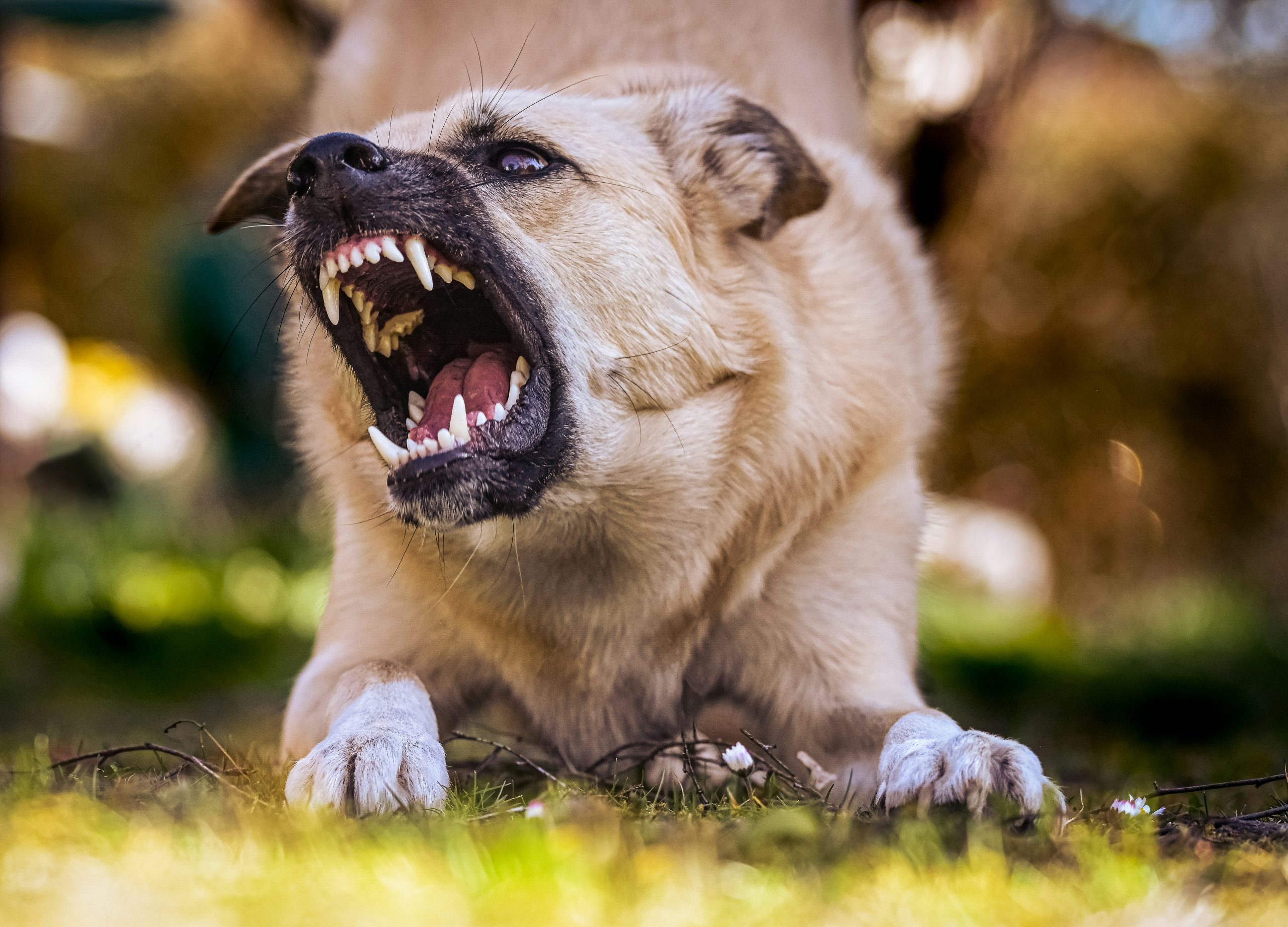
Growling is communication. It is not your dog being bad or dominant. If your dog growls at your child, it is your dog telling you something in that moment wasn’t okay. Even if it went beyond a growl, that is still communication. Dogs often escalate when earlier signals are missed or ignored.
Do not punish or correct your dog for growling or snapping. Yelling and reprimanding is likely to only increase your dog’s stress around you and your child, which will only cause more incidents to potentially occur. In addition, the punishment of warning signs such as growling might cause your dog to learn to skip growling and escalate to a higher level of behavior in the future (like biting), which is also not something we want to do.
Here is some more info on why we do not want to punish growling in my blog post “Why I Love Dogs Who Growl”
For more info on body language and the “ladder of aggression,” see this great infographic.
Third: Take a Breath and Slow Down
It’s very easy after an incident like this to jump straight to worst-case conclusions about your dog. Slow down. Take a deep breath. Emotions can run high when we see dogs display these types of behaviors. One incident does not necessarily tell you everything. But it does mean you need to take it seriously and move forward differently.
Fourth: Write Down Exactly What Happened
Details matter. After things settle down and you have separated your dog and child, write down exactly what happened. Include what your child was doing, what your dog was doing before the growl, where everyone was, and what was going on around them. Most of these incidents have clear triggers and follow patterns. Those patterns are what help us to create a safe and realistic plan moving forward.
Fifth: Get Professional Help
This is not something to ignore or hope goes away. Look for a certified behavior consultant or a trainer experienced with dogs and children who uses force-free, evidence-based methods.
If you are local to Indianapolis and its surrounding counties or open to an online consultation (which can be very effective and stress-free for your dog), this is exactly the type of situation I help families navigate. I offer full private training consultations as well as accessible 30-minute “ask the behavior consultant” zoom consults.
A Final Thought
I know it can be incredibly distressing if your dog growls at your child. I know you probably have a lot of thoughts running through your mind right now. I know you are probably panic-googling and scrolling for answers. Remember that your dog didn’t betray you or mean to be mean. They reacted and communicated like animals do. Your job now is to take that seriously and use it to make safer, more informed decisions moving forward. And I am there to help you through this!