Adopting a Dog With Young Children: 4 Traits to Look For
Recently, my sister and her family (which includes 2 young kids under the age of 5 ) asked for my help choosing a rescue dog to adopt. I was glad to help her out, especially because I understand the stress and concern that can come along with adopting a dog with young children at home.
As a dog behavior consultant who specializes in dog-child interactions, works with rescue dogs, and is raising a young child of my own, I found myself evaluating potential dogs through a very different lens than many adopters do.
While appearance, age, and breed often get the most attention, those factors don’t always tell very reliable info about how a dog will adjust to life with young children. Instead, I was focused on a handful of behavior traits that can make a huge difference in whether a dog feels can be successful and happy in a family with young children.
If you’re thinking about adopting a dog and have young children at home, here are some important things to consider before bringing a new dog into your family.
1. Consider The Dog’s Experience With Children
One of the biggest mistakes families make when adopting a dog with young children is relying on a shelter or rescue’s description that says a dog has “lived with kids” or is “good with kids.”
While it is helpful to know that a dog has previously lived with children or been around them, that information alone doesn’t tell us much about what their experiences and interactions were actually like.
Were the children teenagers or toddlers? Did the dog simply tolerate children, or genuinely enjoy being around them? Did the children regularly overwhelm or stress the dog? Was the dog around a variety of children, such as visiting friends and relatives?
Dogs are individuals, and a simple label rarely gives us the full picture. Whenever possible, ask more detailed questions about the dog’s experiences around children.
Questions to ask include:
- Has the dog lived with children before?
- What ages were the children?
- Were there any concerns reported by previous owners/caregivers?
- How much did the dog interact with the children?
Keep in mind that shelter and rescue information is often incomplete. Most organizations are doing their best with the information available to them, but they may not know every detail about a dog’s past.
Another common misconception is thinking that a dog who seems social and comfortable around new adults will also be the same around young children. The fact is many dogs react differently to young children because well… they act quite different than older kids and adults. So just because a dog is social and friendly around new adults, it does not necessarily mean they will be the same around young kids. This is why it can be especially helpful to know any background info available.
2. Consider How the Dog Handles Noise and Activity
Young children are loud.
They crawl, spin, and run. They squeal. They drop toys. They move unpredictably. They jump off furniture.
Even a mellow child can be overwhelming for many dogs.
A dog doesn’t need to love chaos, but when selecting a dog to live in family with kids, I recommend finding one who can cope with these types of normal household activities without becoming distressed.
When evaluating a potential family dog, pay attention to how they respond to surprises. Do they recover quickly after hearing a loud noise? Can they relax after something unexpected happens like a toy being tossed accross a room?
A dog who startles occasionally is perfectly normal. What matters is their ability to recover.
On the other hand, dogs who remain on high alert, hide frequently, or appear constantly worried or anxious may struggle in a busy household with young children.
3. Consider Food, Toy, and Space Guarding
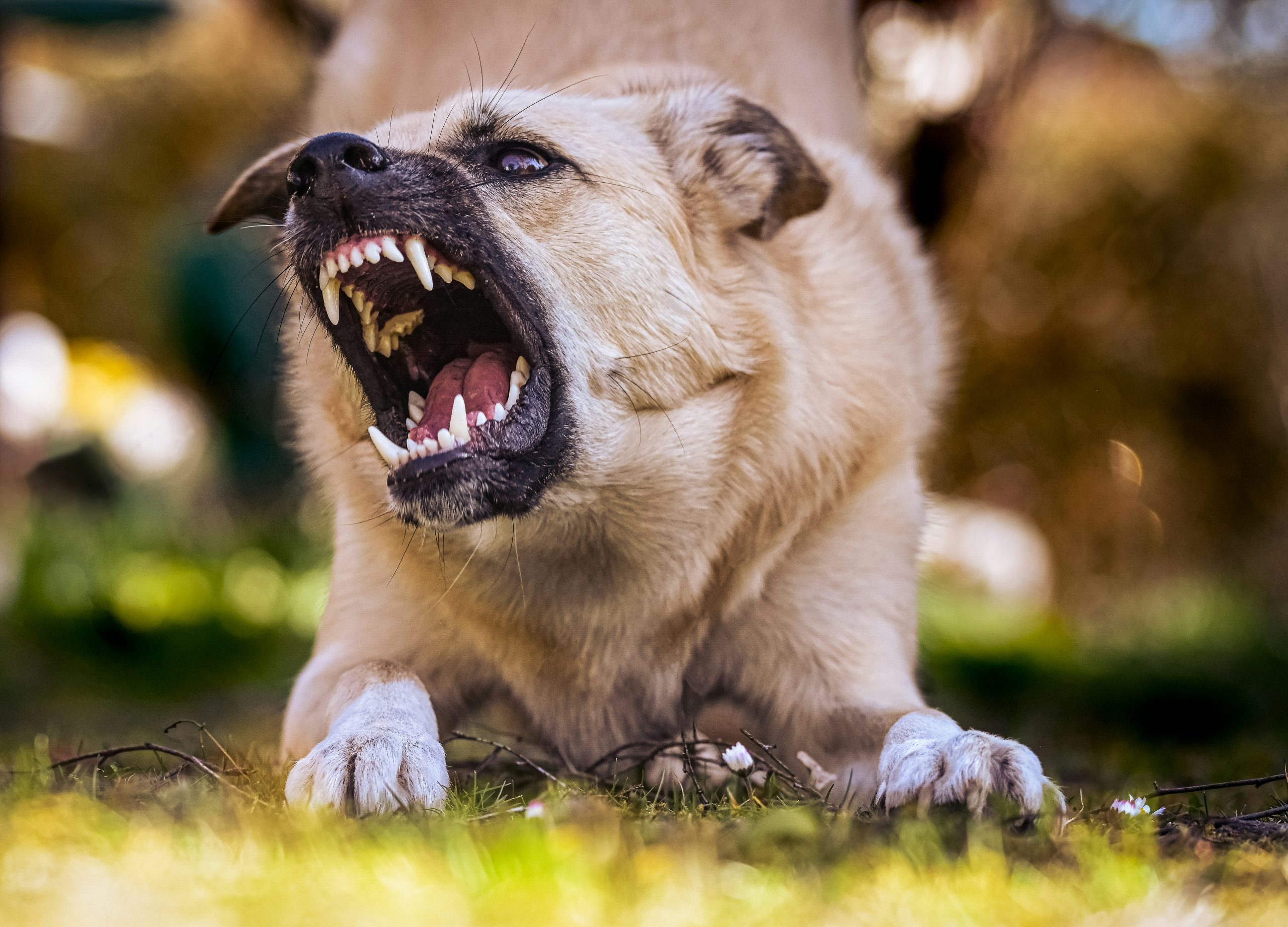
Another important conversation to have before adoption involves resource guarding, or what many people know as “food aggression” or “toy aggression.”
Resource guarding is the term we use to describe when a dog becomes uncomfortable with people approaching valuable items such as food, toys, chew items, or resting spaces.
Many dogs show some degree of resource guarding behavior. In fact, it is a completely normal thing for a dog to do, given that they are animals. Animals have instincts to protect what is theirs.
Resource guarding is one of the most common behavior concerns I discuss with families, and it is often much easier to manage proactively than after a problem has already occurred.
Families with young children need to think carefully about how they will manage these situations.
Ask whether the dog has shown concerning behaviors around:
- Food bowls
- Treats and chew items
- Toys
- Furniture
- Beds or resting areas
I always recommend allowing dogs to be left alone by children when eating, chewing a bone, or resting on a bed in order to prevent bite incidents. Any dog can display resource guarding at any time. However, I would recommend looking for a dog that does not show signs of these types of behaviors for a home with young children as a general rule.
4. Consider the Dog’s Comfort With Physical Interaction and Proximity
Young children are often physically intrusive, even when parents are actively teaching them how to interact safely and respectfully with dogs. Toddlers stumble. They move unpredictably. They invade personal space. They may lean on a dog, reach toward them suddenly, or accidentally bump into them while playing.
This doesn’t mean children should be allowed or encouraged to do these things, such as jumping or crawling on the dog for fun. In fact, I strongly recommend actively supervising all interactions between dogs and young children and teaching children appropriate ways to interact with animals from the beginning.
However, when choosing a dog for a family with young children, it is worth considering how comfortable a dog is with physical interaction and personal space in general.
Some dogs actively seek out affection and enjoy being near their family members. Others prefer more personal space and may become uncomfortable when people are constantly in their bubble. This is not a deal-breaker by any means, but it may change the picture of your setup at home with this dog. For example, a dog who prefers more personal space may need more gates, crates, or other safe space zones so that they can rest away from the children. When working with clients, I typically recommend that we give ALL dogs these options for private resting time, but the important thing to note here is that some dogs will need them more than others.
Whenever possible, ask questions about how the dog responds to handling and everyday interactions.
Questions to ask include:
- Does the dog enjoy being petted?
- Have they shown discomfort when being handled?
- Do they move away when people approach them?
- Are they comfortable with routine grooming and veterinary handling?
- Have they ever shown concerning behavior when touched unexpectedly or bumped?
There is nothing wrong with a dog who prefers more space or is less interested in physical affection. However, those dogs may find life with young children more challenging than dogs who are naturally comfortable with frequent human interaction.
Remember that all dogs deserve the ability to move away and take breaks when they want to. But when evaluating a potential family dog, it is helpful to consider whether their comfort level with everyday handling and proximity matches the reality of living with young children.
The Best Family Dog Is the Right Dog for Your Family
There is no universally perfect family dog. The best choice is a dog who feels safe and comfortable in your home, whose temperament aligns with the realities of living with young children, and whose individual needs are a good fit for your family.
One of the biggest myths I see is the expectation that dogs and children should immediately become best friends. In reality, there is usually an adjustment period as everyone learns how to live together safely and successfully.
Success with kids and dogs often looks like lots of proactive safety from the parents, learning to coexist, and creating safe interactions that develop over time. It may also involve ongoing management, such as providing your dog with child-free spaces to rest, eat meals, or enjoy high-value chew items, or get away from the kids during evening “bounce off the walls” hour.
Taking the time to ask thoughtful questions before adoption can help set everyone up for success from the very beginning when adopting a dog with young children in the mix.
Do you have questions about choosing a new dog for your family with kids? Do you want a personalized game plan for introductions and helping the dog acclimate to your home in the first few weeks?
Work with me 1:1 for professional support: www.perkedears.com/services.