Dog Aggression Explained: 3 Things Every Dog Person Should Know
Dog Aggression. It is a big scary word. It carries a lot of baggage. Most people think of it as a this specific label or diagnosis.
That a dog either is aggressive or not aggressive.
I cannot tell you how many clients tell me that they don’t want their dog to be an “aggressive dog.”
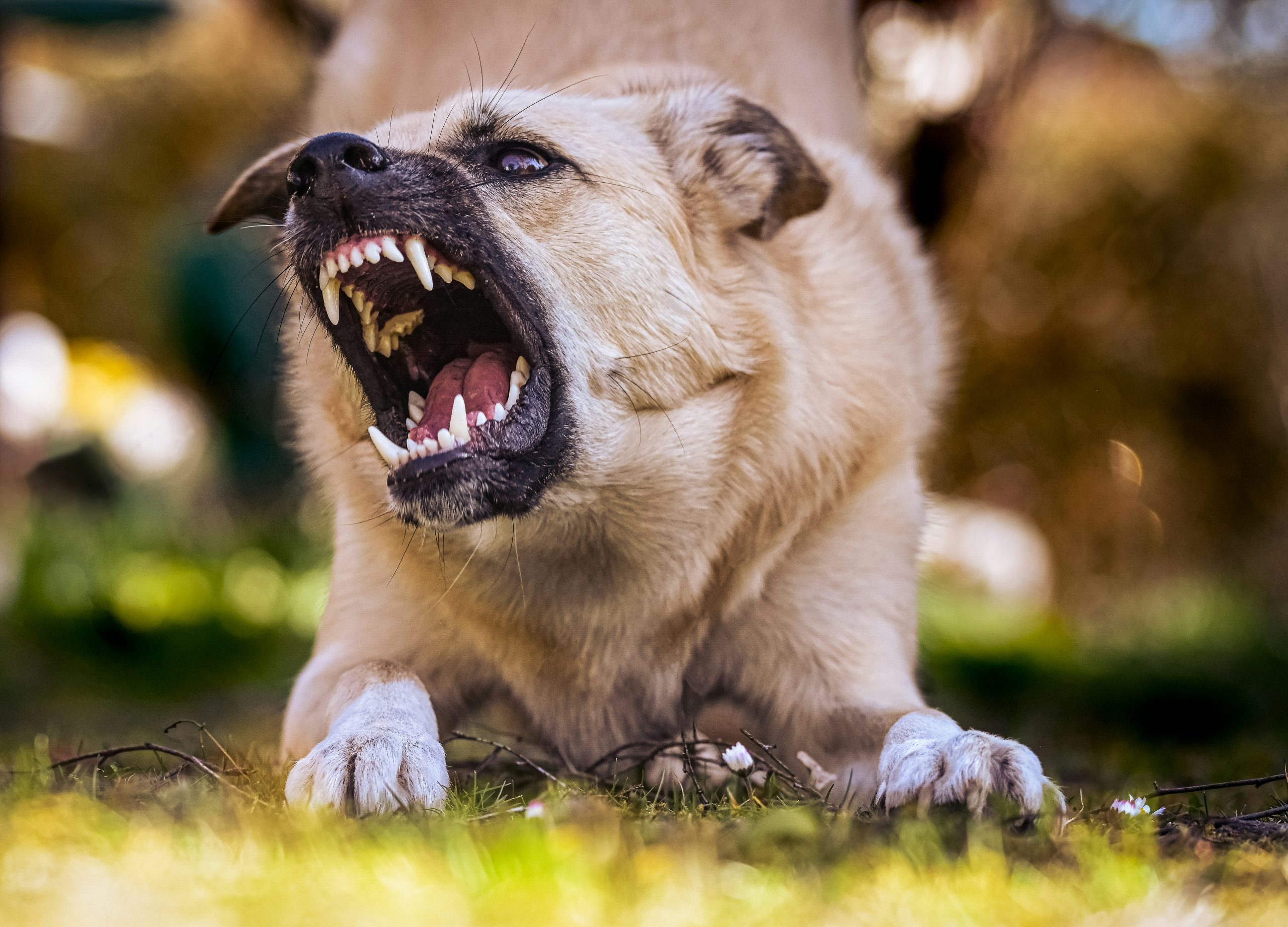
I understand where that fear comes from. Aggression can be scary and it can be dangerous. And living with a dog who growls, snaps, or bites can be incredibly stressful. And sometimes it is not safe.
But the problem is that most people think about aggression all wrong.
Aggression isn’t a personality trait. It isn’t a breed characteristic. It isn’t something that only certain dogs might be capable of.
As a dog behavior consultant, I work with dogs every day who display aggressive behavior of some kind. This causes me to see it through a different lens.
So I want to talk about three things I wish every dog owner understood about aggression in dogs.
1. The vast majority of dog aggression comes from fear or discomfort.
One of the biggest misconceptions about aggression is that aggressive dogs are trying to be “the boss” or dominate their families.
In reality, the overwhelming majority of aggression I see in my work is rooted in an underlying emotion, and definitely not a desire for power.
Think of aggression as a symptom of a dog’s feelings. Dogs become aggressive because they’re afraid, anxious, in pain, frustrated, overwhelmed, or trying to make something uncomfortable stop.
Think about it from a human perspective. If someone cornered you, repeatedly ignored your requests for space, or caused you pain, you might yell, shove them away, or defend yourself. Most people wouldn’t call you an aggressive person. They would recognize that your behavior was a response to the situation you were in. That you escalated to aggression when your other attempts to stop it did not work.
Dogs are no different.
Aggression is often a survival technique. It’s your dog’s way of saying, “I don’t feel safe,” or “I can’t cope with what’s happening.”
So here is where one of the big mindset shifts needs to happen. Instead of goal being to “stop the aggression,” I want to shift that to “figure out what is triggering the aggression and help our dog from there.”
2. All dogs can show aggression.
Another myth I wish would disappear is the idea that aggression only happens in certain breeds or individuals.
The truth is that every single dog is capable of aggressive behavior under the right circumstances.
A Golden Retriever may snap when a crawling toddler approaches their food bowl.
A tiny Yorkie may bite if they don’t feel comfortable being picked up.
A senior dog with declining vision or hearing may react aggressively after being startled awake.
Even the friendliest, most social dog has a breaking point.
That doesn’t mean we should expect aggression from every dog. It means we should never take our dog’s behavior for granted. Just because your dog has never growled, snapped, or bitten before doesn’t mean they never will if they’re pushed beyond what they can comfortably handle.
When we assume, “My dog would never bite,” we are overlooking the warning signs that our dog be giving us before a bite occurs.
Here’s a real-life example.
As a certified dog behavior consultant and Family Paws Parent Educator, I work with many families raising young children around dogs. Imagine there’s a friendly family dog named Buddy. Buddy has always been social with everyone and has never shown aggression. Then the baby in the family starts crawling. One day, the baby crawls toward Buddy while he’s resting, and Buddy growls.
Buddy’s family brushes it off because “he’s never bitten before.”
But that is where they go wrong.
Buddy is communicating that he’s uncomfortable. If he’s repeatedly put into the same situation and his growling is ignored, he may eventually feel that growling isn’t enough and escalate to snapping or biting.
Here’s another common example with an aging dog:
Imagine a 13-year-old dog who has some arthritis (because most dogs that age do!) and their hearing isn’t what it used to be. They’re sleeping soundly on the couch when someone reaches over to pet them. They are startled and sore, so they snap.
Many people would panic and think, “My dog has become aggressive in his old age.”
But what is really happening is that the aggression is likely a symptom of pain, declining senses, or other medical changes changes—not a sudden change in personality.
In both situations, the aggression isn’t the core of the problem. It is a symptom that is telling us that our dog needs more support.
Understanding that all dogs are capable of aggression makes us better advocates for them. It encourages us to pay attention to body language, manage situations appropriately, and address problems early instead of assuming, “My dog would never do that.”
3. Aggression is not fixed through punishment or dominance.
Since most aggression is rooted in fear, anxiety, or discomfort, then it makes sense that intimidation isn’t the solution.
Unfortunately, many people are still told to punish growling, use physical corrections, or “show the dog who’s boss.”
The problem is that punishment often suppresses the warning signs without changing the emotion underneath.
Here is a human example:
Imagine you’re terrified of spiders. Now imagine every time you screamed after seeing a spider, someone hit you in the head for screaming.
Would you suddenly stop being afraid of spiders?
Of course not.
You might stop expressing your fear, but the fear itself would still be there.
Dogs’ brains are the same way.
Punishing growling or other aggressive behaviors doesn’t teach a dog to feel safe. In many cases, it can actually increase fear and make future aggression more likely because the dog learns that not only is the scary thing still present, but now punishment is part of the experience too.
Successful behavior modification focuses on changing how the dog feels, not simply stopping what the dog does.
This means identifying the underlying cause, managing situations to keep everyone safe, and using humane, evidence-based behavior modification techniques that build confidence rather than fear.
Aggression isn’t a sign that your dog needs a stronger leader.
It’s often a sign that your dog needs more understanding, better support, and a behavior plan that addresses the root of the problem.
Ready to Get to the Root of Your Dog’s Aggression?
If your dog has started growling, barking, lunging, snapping, or biting, you don’t need more punishment or outdated dominance advice.
You need to understand why it’s happening.
As a certified dog behavior consultant, I help families uncover the underlying causes of aggressive behavior and create practical, humane behavior plans that help both dogs and their people feel safer and more confident.
Whether you’re living with a dog who has struggled with aggression for years, your senior dog’s behavior has suddenly changed, or you’re worried about your dog around your children, I am here to help.
I offer private consultations online via zoom (or in-home in Indianapolis, Indiana and surrounding counties) to get started. Click this link to get started.