As a dog behavior consultant who works with many dogs who struggle with fear, anxiety, and aggression, I am no stranger to the many common myths and beliefs people have about fearful dogs.
To be honest, everyone who has ever met a dog seems to be an expert on the topic for some reason. And I find this very problematic for many dogs!
First, I want to explain why it is so important that we clear up these common misconceptions.
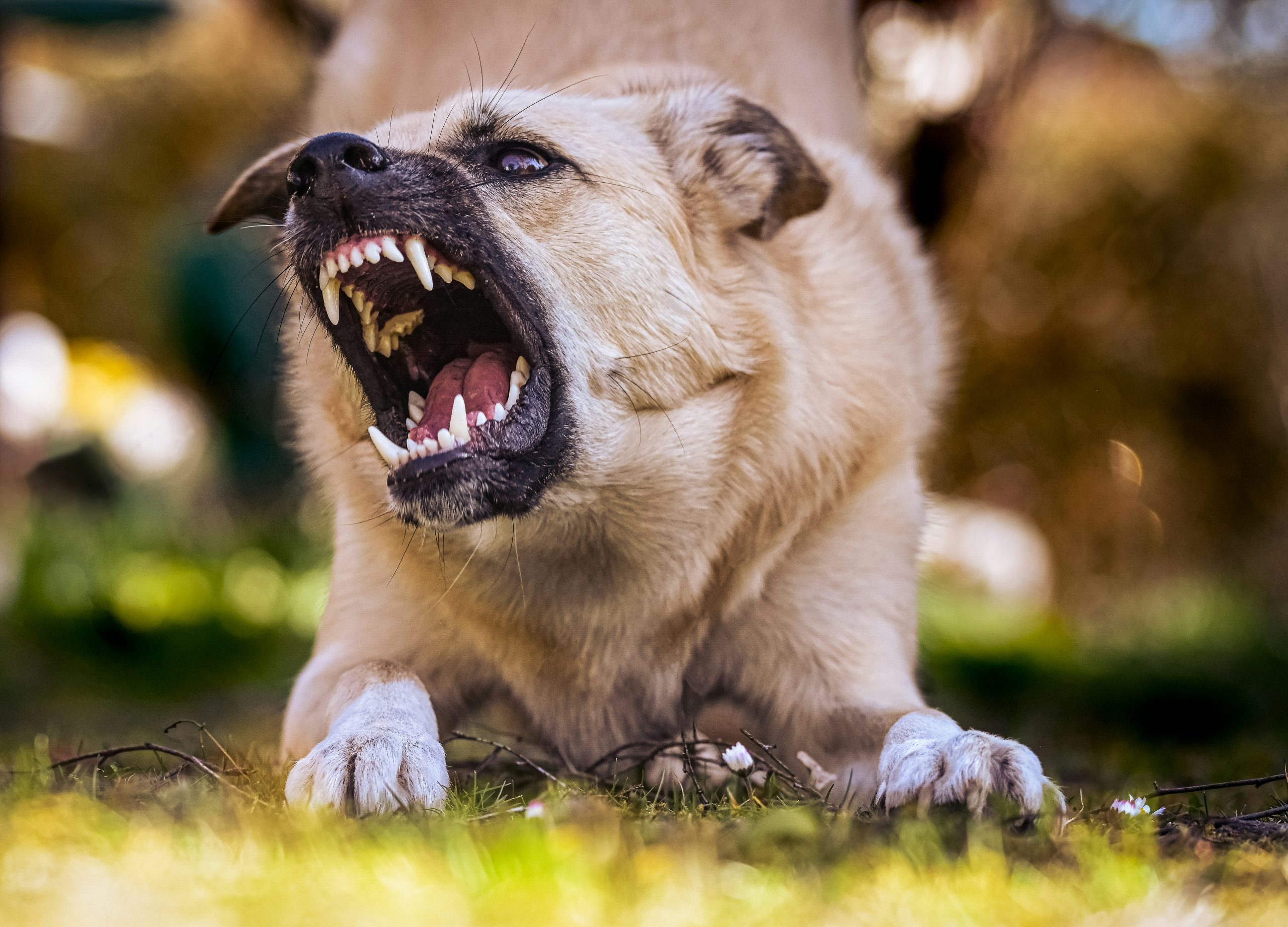
Fear is a very strong emotion. And when animals are afraid, they may growl, lunge, or bite if they feel they have no other way to make the scary thing go away. Fear and discomfort are the most common reasons dogs that dogs will display aggression. Not dominance, not a motivation to take over the world, and not a dog who isn’t “obedient enough” and needs to be put in their place.
It’s fear. Fear is what drives most aggression.
So, in my opinion as a dog professional, it is VERY important that the general public understand a few things about fear in dogs. Because if we understand it better, we can help our dogs more quickly and effectively. And that can lead to fewer fearful dogs, fewer dog bites, and more happy and safe homes with dogs and humans together!
Here are three things about fearful dogs that I wish everyone could know:
1. Fear typically doesn’t just get better on its own.
This is a big one.
If a dog is showing signs of fear around a certain person, place, sound, other animal, or experience, this is very important to pay attention to. A common misconception is that fear will go away on its own, especially if we just continue to expose the dog to the thing they are afraid of. This could not be further from the truth.
In many cases, if we continue to expose a dog to something they are afraid of at full blast, their fear will get worse, not better. They are repeatedly having scary experiences, and we aren’t doing anything to help them develop different feelings about those experiences.
I have a few thoughts on why this is such a hard thing for people to wrap their heads around.
I wonder if it is because, as a society, we like to compare dogs to people a lot. The whole “face your fears” sentiment is so common when we talk about humans. We’re encouraged to push ourselves outside of our comfort zones, and sometimes that can be a good thing.
But dogs are not humans. They don’t understand human logic. They cannot just tell themselves that the thunder won’t hurt them and that they need to be brave. They don’t know that the person reaching over their head is just trying to pet them, or that the dog approaching them on a walk is friendly.
For all they know, that scary thing could hurt them any minute.
And when we repeatedly put them in situations where they feel frightened, without giving them the opportunity to feel safe, we can actually make the problem worse.
This is why I don’t recommend forcing dogs to interact with people they are afraid of, taking them to crowded places in the hopes that they will get used to it, or expecting them to simply get over their fear of other dogs by being around more dogs.
Exposure alone isn’t necessarily helpful. What matters is how the dog experiences that exposure.
We want to help dogs feel safer around the things that frighten them, and that means working at a pace they can handle and having an incremental plan.
I know it can be frustrating to feel like your dog is afraid of so many things. But pushing them into scary situations and hoping they will eventually get over it is not the answer.
2. Fear doesn’t always come from animal abuse.
Many people who end up with a fearful dog really want to know why their dog is afraid of X, Y, or Z.
Especially if they have raised the dog from puppyhood, they might not understand why their dog is afraid when they have always been treated well.
When I work with people who adopt adult rescue or shelter dogs, they often assume their dog must have been abused in the past because they are afraid of certain people, objects, or experiences.
And while that is certainly possible, it is far from the only explanation.
Fear can be influenced by genetics, early life experiences, socialization, and the individual experiences a dog has throughout their life. Some dogs may be more predisposed to fearfulness than others, and early experiences can play an important role in how they respond to the world around them.
For example, puppies have an important developmental period during which their experiences with people, animals, places, and everyday life can influence how they respond to those things as adults. A lack of positive experiences during this period, or experiences that are frightening or overwhelming, can contribute to later fear.
Research also supports the theory that genetic predisposition can also play a big role in behavior traits such as fear. This would mean that a dog is “wired” to have fearful tendencies from the get-go, before they even enter the world.
But the thing is that we often don’t know exactly why an individual dog is afraid of a specific thing.
Maybe they had a bad experience. Maybe they weren’t exposed to certain things when they were very young and in their “spongey” window. Maybe they have a genetic predisposition toward being more fearful. Most likely it is going to be several factors contributing to the behavior we see today.
And sometimes, we simply don’t have enough information to know.
I think it is important to understand this because I see people spend so much time trying to figure out what happened to their dog in the past that they lose sight of the more important topic of how to help their dog now.
You don’t have to know exactly why your dog is afraid of men, children, other dogs, or the sound of a garbage truck to start helping them.
Understanding their history can certainly be useful. But we can work with the dog in front of us, paying attention to what makes them uncomfortable and figuring out how to help them feel safer moving forward.
And if you have a fearful dog who has been with you since puppyhood, please don’t blame yourself. Dogs can develop fears even when they have loving, attentive caregivers who do their very best to give them a good life. I see cases like this every day.
3. It is OKAY to comfort your dog when they are afraid.
I really wish this would be a more widespread thought.
Somehow throughout our history with dogs, people have been taught that comforting a fearful dog would reinforce their fear. The idea is that if you pet your dog, talk sweetly to them, or offer reassurance when they are scared, you are somehow teaching them to be more afraid.
But let’s stop and think about that for a minute. Fear is an emotion. It isn’t a behavior that your dog is choosing to perform for attention.
If your dog is afraid of thunder, they aren’t sitting there thinking, “If I act really scared, maybe my human will pet me.”
They are scared because they are scared. They do not enjoy being scared.
And while we can absolutely influence how dogs feel about certain things through learning and experience, that doesn’t mean we can reinforce an emotion in the same way we reinforce a behavior such as a “sit.”
If your dog comes to you during a thunderstorm and wants to cuddle, please go ahead and cuddle your dog if they find that comforting!! If your dog is frightened by Halloween decorations, give them space from those decorations and verbally reassure them, rather than making them walk right up to them.
You are not making your dog more fearful by offering comfort and helping them feel safe. Please go back and read that sentence again.
But of course now I must add that not every dog wants physical affection when they are scared. Some dogs want to hide, move away, or have more space. Pay attention to what your individual dog finds comforting, and let them make those choices whenever possible.
And remember that comforting your dog when they are scared doesn’t necessarily mean that you will resolve your dog’s fear this way. If your dog is terrified of fireworks, cuddling them may help them cope in that moment, but you will likely need a longer-term proactive strategy to help support them more in the future.
And one other thought: if you have a fearful dog, you don’t need to wait until things get worse to seek help. In fact, it is easier to help your dog when you first notice fearful behavior, not after they have been feeling this way for a long time.
A qualified, force-free dog behavior professional can help you to understand your dog better and can develop a plan to address their fears for long-term change.
The more we understand fear in dogs, the better we can support them. And when we stop blaming dogs for being afraid, we can start giving them the help they actually need.
If you are looking for 1:1 help from a dog behavior consultant, check out my services page for the different ways we can work together!